From Tutor Search to College Admission: A Step-by-Step Guide
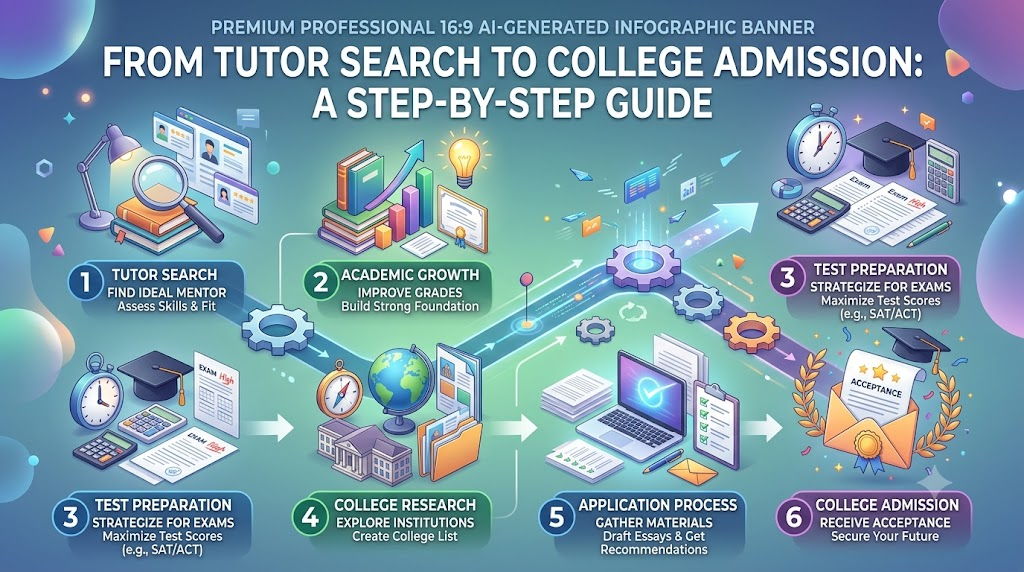
Picking the right tutor is not easy. Picking a coaching class feels even harder. And college? That decision scares most parents. You ask around for advice. Everyone tells you something different. Your child just wants clarity. You just want peace of mind. The good news is, this gets easier with a plan. You do not need luck. You need the right information. That is exactly why GurukulGalaxy.com exists. It works like a search helper for education. It shows you tutors, coaching centers, and colleges together. It does not decide for you. It simply gives you facts to work with. This guide will walk you through everything step by step. No jargon. No confusion. Just simple, useful advice.
First, What Is GurukulGalaxy.com Exactly?
Think of it as one window for many choices. GurukulGalaxy.com brings tutors, coaching institutes, and colleges to one place. You can scroll through profiles easily. You can shortlist a few names quickly. Then compare them without extra effort. It gives you data. You make the final call.
Why So Many Students Now Find Tutors Online
There is a reason online search is booming. Students find tutors online because it is quick. You can filter by subject in seconds. You can check fees before even messaging. Timing works better too. Most online tutors offer flexible slots. This helps kids with packed schedules. Every tutor has a different style. Some explain slowly and patiently. Others move fast through topics. A little research early saves trouble later.
When You Actually Need to Find Tutors Near Me
Not everyone wants a screen between them and learning. If you plan to find tutors near me, location comes first. A tutor living far away means wasted travel hours. That tires a child before the lesson even starts. Younger kids often do better with someone physically present. But this comfort comes at a price. Home visits usually cost more. If nearby choices feel weak, check online tutors India listings too. Many now offer a trial session before you commit money.
Table 1: Online Tutors vs Home Tutors at a Glance
| Factor | Online Tutors | Home Tutors | Why It Matters |
|---|---|---|---|
| Fees | Usually cheaper | Usually costlier | Affects monthly spending |
| Commute | Zero | Adds extra time | Saves the child’s stamina |
| Timing Options | More flexible | Fixed slots | Fits a tight school routine |
| Focused Attention | Varies by setup | Often stronger | Helps kids who need patience |
| Supervision | Parent must be around | Naturally supervised | Matters for smaller kids |
What to Ask Before Joining Coaching Institutes Near Me
Solo study rarely cracks tough exams alone. That is why families search coaching institutes near me every year. Start with batch strength. A smaller batch means the teacher notices you. Next, ask about study material. Good places give organized notes, not just spoken lectures. Practice tests deserve attention too. They reveal true progress, not guesswork. And always compare fees across a few places. Expensive does not always mean effective.
Picking Wisely From the Best Coaching Institutes in India
Some names dominate every city billboard. But popularity is not proof of results. Before trusting the best coaching institutes in India blindly, ask sharp questions. Ask for pass percentages from your specific branch. Skip the glossy national numbers. Also check if online batches get the same effort as offline ones. This gap is more common than people think.
How to Begin a College Search in India
Once school ends, college becomes the next big question. A smart college search India approach starts with course preference. List what your child truly wants to study. Then check eligibility details carefully, since these shift often. Look at total cost too, not just first-year fees. Extra charges tend to appear later for labs or exams. Always request a full, written fee breakdown upfront.
Why It Pays to Compare Colleges and Courses Closely
A famous name alone should never seal the deal. Instead, compare colleges and courses using real numbers. Look at placement results tied to the exact course, not the whole college average. Check how experienced the faculty actually is. Check lab access and library resources too. A big brand attached to a weak course is a poor trade.
Table 2: Comparing Colleges the Right Way
| Comparison Factor | College A | College B | Why It Matters |
|---|---|---|---|
| Curriculum Freshness | Revised every year | Unchanged for years | Shows updated teaching |
| Placement Rate | 85% in course | 60% in course | Reflects true career results |
| Faculty Experience | Mostly senior | Mostly junior | Impacts teaching quality |
| Fee Transparency | Fully disclosed | Extra charges appear | Guards your budget |
| Infrastructure | Well maintained labs | Basic, outdated setup | Shapes practical skills |
Making Sense of Competitive Exams in India
At some point, most students face competitive exams in India. These tests go beyond regular textbooks. Many involve several stages, not just one paper. A written round often comes first. An interview or skill test may follow. Age and education limits often apply too. Reading the official notification early avoids nasty surprises. Waiting till the last week rarely ends well.
A Few Situations Families Often Face
- A student joins a batch simply because a friend did, then struggles with the pace.
- Parents choose a home tutor for comfort, but travel delays cost classes weekly.
- A student picks a big-name college, only to find the course lacks proper labs.
- A family ignores an exam’s age limit, then learns too late their child cannot apply.
Building a Solid Competitive Exam Preparation Routine
A messy approach rarely works for tough exams. Here is a simple ten-step competitive exam preparation routine worth following.
- Choose your target exam and study the full syllabus.
- Write down the exam date and every stage involved.
- Divide the syllabus into small weekly goals.
- Stick to two or three trusted books, not a pile.
- Fix a daily study slot, even a short one.
- Attempt one full mock test weekly, without skipping.
- Review mistakes the same day, while they’re fresh.
- Join coaching only if self-study genuinely feels stuck.
- Keep a monthly note tracking real progress.
- Tweak the plan whenever one topic keeps failing.
Thinking About Competitive Exams After 12th
Life opens up many doors right after school. Competitive exams after 12th can lead toward engineering, medicine, or law careers. Betting everything on one exam is risky. A safer route is preparing for two or three related options together. Talking to seniors who cleared these exams often helps more than any guidebook. Their real experience carries weight books simply cannot offer.
Mistakes Worth Avoiding at Every Stage
- Choosing anything based only on the lowest price.
- Never checking a coaching institute’s actual track record.
- Ignoring how much daily travel time will cost.
- Believing flashy ads over honest student reviews.
- Forgetting to ask about batch size before joining.
- Missing hidden fees buried in college paperwork.
- Locking into an exam without confirming eligibility first.
- Judging colleges only by their popular reputation.
- Delaying exam preparation until it’s almost too late.
- Skipping a trial class before any long commitment.
Where GurukulGalaxy.com Fits Into This Journey
GurukulGalaxy.com exists to remove some of this hassle. It gathers verified tutor and institute profiles in one spot. You skip the endless tab-switching between websites. Comparing options becomes faster and clearer. Once something looks promising, sending a direct enquiry takes minutes. It supports your research process. It never overrides your family’s final decision.
A Simple Framework Worth Remembering
Whenever things feel messy, return to this order:
Goal → Search → Shortlist → Compare → Ask → Verify → Decide
Start by defining what you actually want. Search using sources you trust. Build a short, focused list. Compare each option with real facts. Ask direct, specific questions always. Verify every answer through reviews or people. Only then, make your final decision.
Frequently Asked Questions
Question 1: Where should I begin my search for a good tutor?
Begin with the exact subject your child needs help in. Decide between online or home classes next. Look into the tutor’s teaching background carefully. Always request a trial class before paying anything full. This single step reveals teaching style and comfort level. It saves you from a poor long-term match later.
Question 2: Can online tutors really match home tutors in quality?
Often, yes, especially with stable internet and simple tools. Online tutors usually give more flexible timing than home visits. Younger children might still need light parental supervision though. The right pick depends on your child’s age and focus level. It also depends on how independently they handle screen-based learning.
Question 3: How do I judge if a coaching institute is genuinely reliable?
Ask directly about their batch sizes first. Request real pass rate numbers, not vague claims. Speak with a few current or past students if possible. Check the quality of their notes and mock tests. A reliable institute answers every question openly. It never rushes you into signing up immediately.
Question 4: Does a bigger coaching name always guarantee better results?
Not really, no. Bigger brands often spend heavily on marketing alone. Results can still vary widely between branches and batches. Smaller institutes sometimes offer stronger personal attention instead. Always check outcomes specific to your branch and goal. National success stories rarely reflect your local batch’s true reality.
Question 5: What comes first when starting a college search?
Start with the courses your child genuinely wants to study. Then check eligibility rules for each option carefully. Get complete fee details, including smaller hidden charges too. Look closely at placement outcomes tied to that exact course. A campus visit, if possible, adds valuable, honest clarity.
Question 6: What is a fair way to compare two colleges?
Apply the same criteria to both colleges equally. Check faculty experience, infrastructure, and course-specific placement rates. Avoid comparing purely on reputation or brand name. Check how recently the curriculum was updated too. A side-by-side comparison usually reveals gaps brochures conveniently hide.
Question 7: What stages usually appear in competitive exams in India?
Most exams begin with a written test round first. Some include a second written stage or skill test after. Many conclude with a personal interview round eventually. Eligibility checks, like age or qualification limits, happen at application. Reading the official notification early prevents unpleasant last-minute surprises.
Question 8: When is the right time to start exam preparation?
A safe window is roughly six to twelve months before the exam. This depends heavily on how difficult that exam actually is. Early starts allow proper revision and multiple practice tests. Starting too late usually causes rushed, stressful learning instead. A steady pace almost always beats last-minute cramming sessions.
Question 9: Which exams deserve attention right after 12th?
This depends entirely on personal interest and career direction chosen. Popular paths include engineering, medical, law, and defense service exams. Preparing for two related options together works as a safety net. Conversations with seniors who cleared these exams often clear up real doubts. Their honest experience beats most generic guidebooks available today.
Question 10: What mistake do most families make while choosing coaching?
The most common mistake is deciding purely on price alone. Many skip checking actual results or realistic batch sizes entirely. This often results in poor fit and wasted money. Verifying claims through genuine student feedback prevents most such regrets. A little patience upfront saves considerable frustration later.
Question 11: How exactly does GurukulGalaxy.com support this process?
It brings tutors, coaching institutes, and colleges into one searchable space. Families can browse verified profiles without hopping across websites constantly. Comparing details becomes quicker and far less confusing overall. Sending direct enquiries saves time compared to separate contact searches. It supports informed decisions without replacing personal judgment.
Question 12: What is the simplest way to stay stress-free during this search?
Follow a clear sequence: define goals, search widely, shortlist, and compare. Ask direct questions, verify answers, then make your decision calmly. Rushing any single step usually leads to regret eventually. Staying patient and organized produces noticeably better outcomes overall. Pressure rarely leads to good, lasting decisions.
Final Thoughts
Choosing a tutor, coaching class, or college does not need to feel stressful. Set a clear goal before anything else. Widen your search, then narrow it down carefully. Trust real numbers over flashy names or promises. Ask direct questions, and always verify what people tell you. This small habit saves real time, money, and stress later. Platforms like GurukulGalaxy.com make this comparison process noticeably simpler. They bring verified options into one convenient place. Good decisions rarely come from rushing. They come from patience and honest research instead. Take your time, and choose what genuinely fits your family.
Leave a Reply