IVF Treatment Abroad: International Clinics, Costs and Care Factors
Sitting down to research your chances of having a baby can make your stomach drop. You probably have ten browser tabs open late at night right now. Many people face a thick wall of medical terms and confusing price sheets. It often feels like clinics speak a secret language you cannot understand. You search for simple pricing, but you only find vague ranges and sales talk. You look for realistic success figures, but shiny brochures get in the way. You deserve to see honest facts without any sugar coating or pushy sales pitches. That is why IVFHospitalsNow.com exists as an independent research guide for you. We help you cut through the thick fog of the medical industry safely. We do not sell medical care, and we do not work for clinics. We simply hand you the facts so you can breathe easier.
What is IVFHospitalsNow.com?
Think of our site as a calm, quiet place away from the noisy sales pitches. IVFHospitalsNow.com gives you pure facts without any corporate pressure. We gather real pricing data and put it into simple language for everyday readers. We do not run any hospital or treat patients ourselves. We never tell you which medical choices to make. Instead, our free platform helps you look at different providers side by side. We show you the true costs of treatment before you walk in the door. Our only wish is to keep you informed, confident, and financially safe.
Understanding Your Treatment Pathways
Your body is completely unique, so your medical path will be unique too. A good doctor will walk you through several fertility treatment options first. A cycle simply means one full round of care from start to finish. You might start with low-cost hormone pills that trigger your body to release an egg. Next, a doctor might suggest gently washing sperm and placing it inside you. If those simple tools bring no luck, IVF is often the next step. IVF means an embryologist joins your egg and sperm together in a safe lab. That tiny growing cluster of cells is an embryo. Finally, the doctor returns the healthy embryo to your womb.
Comparing Key Lab Techniques
What happens inside the fertility lab is fascinating and very practical. It helps to understand the real difference between ICSI vs IVF today. In classic IVF, the lab places thousands of sperm around your egg in a dish. The sperm must swim on their own and break through the egg shell. But what if the sperm cannot move fast enough? That is when the medical team uses a special method called ICSI. An embryologist picks up one single, strong sperm using a tiny glass needle. Then, they place it directly into the center of the egg. This simple boost helps fertilization happen when sperm counts are low.
Preserving Fertility for the Future
Maybe you want a family one day, but the timing is not right yet. You can protect your future chances by putting your eggs on ice today. A doctor collects your eggs, and the lab freezes them safely in liquid nitrogen. However, you must look closely at your savings before jumping in. The total egg freezing cost is not just one simple number on paper. You have to pay for initial scans, strong hormone shots, and retrieval surgery. You also have to pay a yearly storage fee to keep them frozen. Make sure you get that annual storage price in writing first.
Finding Care Close to Home
You will spend plenty of mornings in a waiting room during your cycle. Finding convenient IVF clinics makes a massive difference in your daily sanity. You might need blood tests and ultrasound checks every two or three days. Long drives in heavy morning traffic will only add unnecessary tears and exhaustion. Start your search by looking up IVF clinics near me on your phone. Pick a center that is an easy drive from your home or office. Also, ask if their lab opens early so you can get to work on time. A gentle commute keeps your nervous system calm and rested.
Table 1: Fertility Treatment & Planning Factors
| Treatment Type | Primary Purpose | Key Stage | Practical Tip |
| Hormone Pills | To prompt natural egg release | Start of your cycle | Take them after dinner to avoid mild nausea. |
| Insemination | To put sperm near the fallopian tube | Ovulation window | Bring a warm sweater to stay cozy during rest. |
| Standard IVF | To fertilize eggs in a secure dish | Lab culture days | Ask your nurse for a direct lab contact number. |
| Egg Storage | To pause your fertility timeline | Rapid freeze stage | Set a calendar alert for the annual renewal fee. |
Breaking Down Treatment Expenses
Let us talk about money frankly, because hidden medical bills cause deep anxiety. The total IVF treatment cost rarely matches the tidy number on a clinic brochure. Clinics usually quote their base procedure fee first. But that basic quote almost never includes your costly specialty pharmacy medications. Those daily hormone injections can easily add thousands of dollars to your final bill. You also have to pay for blood work, anesthesia, and lab dishes. Always ask the finance coordinator for a complete, itemized cost sheet before signing. Never let a clinic brush off your questions about surprise add-on fees.
Evaluating Cross-Border Care
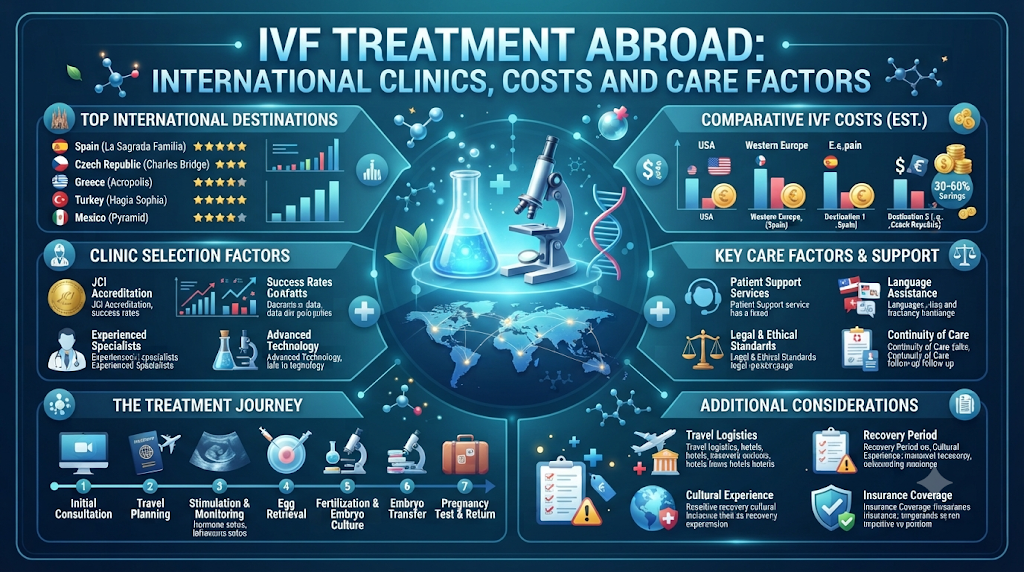
Because local medical care is so expensive, many people look across borders. Booking IVF treatment abroad has become a very common path for hopeful parents. Going to another country can cut your clinical bills down significantly. The average IVF cost by country changes dramatically depending on where you look. You might pay half the price in parts of Europe or Asia. But you must also budget for flight tickets, taxi rides, and hotel rooms. You also have to check local laws about using donor sperm or donor eggs. A donor is someone who generously gives their reproductive cells to another person.
Understanding Clinic Results Without the Hype
Marketing teams know how to make clinic statistics look amazingly bright. You have to look at published IVF success rates with a very critical eye. Never pay attention to a clinic’s broad, overall average score. An overall number mixes young patients with older patients, which hides the truth. You only want to see the specific data for your exact age group. Also, look for the live birth rate instead of the pregnancy rate. A clinical pregnancy only means a positive blood test showed up. A live birth rate means a real baby went home in a car seat.
How to Objectively Compare Centers
Picking a healthcare team takes steady research and a clear head. It takes patience to compare IVF clinics without getting swept up in fancy brochures. First, check that the medical center holds an active state operating license. That piece of paper proves they follow legal safety rules and lab hygiene laws. Next, ask about the air filtration systems inside their clean embryo lab. Fresh, pure air protects microscopic embryos from invisible chemicals and dust. Finally, watch how the nursing staff treats you when you ask basic questions. You need kind, patient people by your side when you feel vulnerable.
Table 2: Clinic Comparison Checklist
| Evaluation Factor | What to Check | Why It Protects the Patient |
| Active Clinic License | Verify state health board records. | It confirms the center follows official safety standards. |
| Lab Air System | Ask about clean room filters. | Pure air keeps fragile embryos healthy as they grow. |
| Complete Billing | Check if pharmacy costs are included. | It keeps your family budget safe from giant surprises. |
| Staff Compassion | Notice how quickly they return calls. | You need reliable support during late night hormone shots. |
Real-Life Scenarios for Patients
Real patient stories can help you picture your own path much better:
- Building a Reserve Fund: One couple set aside money for two cycles before doing anything. They knew the first cycle often acts as a trial run for the doctor. That buffer kept them calm when they needed a second attempt.
- Partnering Across Towns: A patient picked a cheaper clinic two hours away. But she had all her routine morning blood tests done at a local lab. This simple fix kept her from missing long days at work.
- Taking Time to Heal: Another woman discovered a small polyp inside her womb during a scan. She delayed her cycle for a month to have it removed safely. Her body healed completely, and her next transfer worked.
Common Mistakes to Avoid in Fertility Research
Steer clear of these eight common mistakes while doing your homework:
- Trusting Partial Quotes: Never assume a clinic package includes your daily injectable drugs.
- Relying on General Averages: Always check the live birth numbers for your specific age band.
- Forgetting Annual Tank Fees: Budget for the yearly invoice required to keep embryos frozen safely.
- Skipping Local Legal Checks: Check foreign country laws regarding donor identity and parental rights.
- Shopping by Low Price Alone: A suspiciously cheap clinic might cut corners on lab air equipment.
- Hiding Lifestyle Habits: Tell your doctor the honest truth about your diet, smoking, and vitamins.
- Ignoring Travel Burnout: Flying home immediately after a medical procedure can exhaust your body.
- Suffering in Silence: Find a good fertility counselor so you do not carry heavy grief alone.
How IVFHospitalsNow.com Can Help
You do not have to carry the heavy weight of research by yourself. IVFHospitalsNow.com offers completely free tools to keep you grounded and organized. We provide clear charts that explain confusing medical bills in plain English. We also maintain a neutral directory of accredited medical centers worldwide. You can use our platform to build a smart, safe shortlist of doctors. We even provide printable guides to help you ask bold questions during visits. We never push private clinics or try to sell you medical packages. Our only goal is to give you honest facts so you feel safe.
A Simple 7-Step Research Roadmap
Follow this simple checklist to keep your planning calm and steady:
- Goal: Write down your personal timeline, family hopes, and spending limits.
- Search: Read neutral educational guides to understand basic medical terms.
- Shortlist: Pick three accredited clinics that match your budget and location.
- Compare: Review their lab safety tools, age-based numbers, and itemized fee sheets.
- Ask: Meet the doctors with a written list of tough financial and lab questions.
- Verify: Check state licensing boards and verify how after-hours emergencies work.
- Decide: Choose the medical team that makes you feel heard, respected, and safe.
Frequently Asked Questions
Question 1: How do we talk to our family about keeping our treatment private?
You have every right to keep your medical journey completely private. You can tell loved ones that you are taking time to focus on your health right now. Let them know you will share news when you are ready. Setting gentle boundaries early stops people from sending stressful text messages on procedure days.
Question 2: What should I pack in my bag for my procedure day?
Pack warm, cozy socks because medical operating rooms can feel very chilly. Bring a soft blanket and loose slip-on shoes for an easy trip home. Pack a bottle of water and a light, salty snack for after you wake up. Do not wear any perfume, scented lotion, or jewelry to the clinic.
Question 3: How can my partner feel useful during this whole process?
Your partner can take charge of mixing the daily hormone shots every evening. They can set phone alarms so you never miss a dose. They can drive you to your early morning appointments and take clear notes. Most importantly, they can fix dinner and just listen when you feel tired or sad.
Question 4: Does drinking herbal tea or taking extra baths cause any harm?
You must be very careful with hot baths and herbal teas right now. Hot bath water raises your core body temperature, which is unsafe for your ovaries and embryos. Some natural herbs can also interact badly with your fertility drugs. Stick to lukewarm showers and ask your doctor before drinking specialty teas.
Question 5: What questions should I ask about the clinic’s weekend hours?
Bodies do not take weekends off, and your eggs might mature on a Sunday. Ask the clinic if their lab and doctors work seven days a week. You want to know if their own doctor will do your procedure or an on-call stranger. Make sure they never delay your care just for weekend scheduling.
Question 6: How do I manage my daily shot schedule if I work late shifts?
Hormone shots must happen at the exact same hour every single night. If you work late shifts, pick an injection time that fits your working hours easily. Pack your medications in a small cooler bag with ice packs if you must travel. Step into a clean, quiet room at work to do your shot.
Question 7: Can cold weather or catching a common cold harm my treatment cycle?
A mild head cold or runny nose will not usually ruin your cycle. However, running a high fever can hurt egg quality and disrupt your recovery. Call your care team immediately if you develop a fever or a bad cough. They will tell you which cold medicines are completely safe to take.
Question 8: What does a clinic mean when they talk about a day 3 versus day 5 embryo?
A day 3 embryo has only about six to eight cells growing inside it. A day 5 embryo has hundreds of cells and is called a blastocyst. Doctors usually prefer waiting for day 5 because stronger embryos survive that long. Reaching day 5 gives the doctor much better clues about which embryo to pick.
Question 9: How do I handle seeing baby showers and pregnancy news on social media?
It is completely normal to feel a sharp sting of pain when seeing baby announcements. You can mute friends or delete social media apps from your phone during treatment. Protecting your heart is not selfish at all; it is necessary self-care. Give yourself full permission to skip baby showers when you feel sad.
Question 10: Why do some doctors suggest testing embryos before freezing them?
Doctors can remove a few cells from a day 5 embryo to check its chromosomes. This test shows if the embryo has the correct number of chromosomes to grow. It helps doctors pick the embryo with the highest chance of making a baby. However, this test adds extra costs to your bill.
Question 11: What simple things can my partner do to improve his sample health?
Sperm takes about three months to develop fully inside the body. Your partner should avoid hot tubs, tight underwear, and resting laptops on his lap. He should eat leafy greens, stop smoking, and cut down on alcohol completely. These simple lifestyle changes help sperm swim faster and stay healthy.
Question 12: How do we stay emotionally connected as a couple through this stress?
Set aside one evening every week where talking about baby treatments is strictly banned. Go out for dinner, watch a fun movie, or take a quiet walk together. Remind each other why you fell in love in the first place. You are a team, and keeping your bond strong matters most.
Conclusion
Taking on fertility research is an act of deep love and true bravery. Remember to verify all extra costs before making any financial promises to a clinic. You must always look past shiny headline statistics to find the real numbers for your age. Take the time to consult qualified doctors who answer your questions with kindness and patience. Prepare your informed questions before every single clinic visit so you stay in control. Clear knowledge is your best shield against fear and confusion. IVFHospitalsNow.com is always right here to guide your steps and protect your peace of mind. We hope this simple guide brings calm, warmth, and steady hope to your heart today. Take a deep breath, trust your gut, and step forward with quiet confidence.
Leave a Reply