Hip Replacement Surgery Abroad: The Complete Guide for Patients
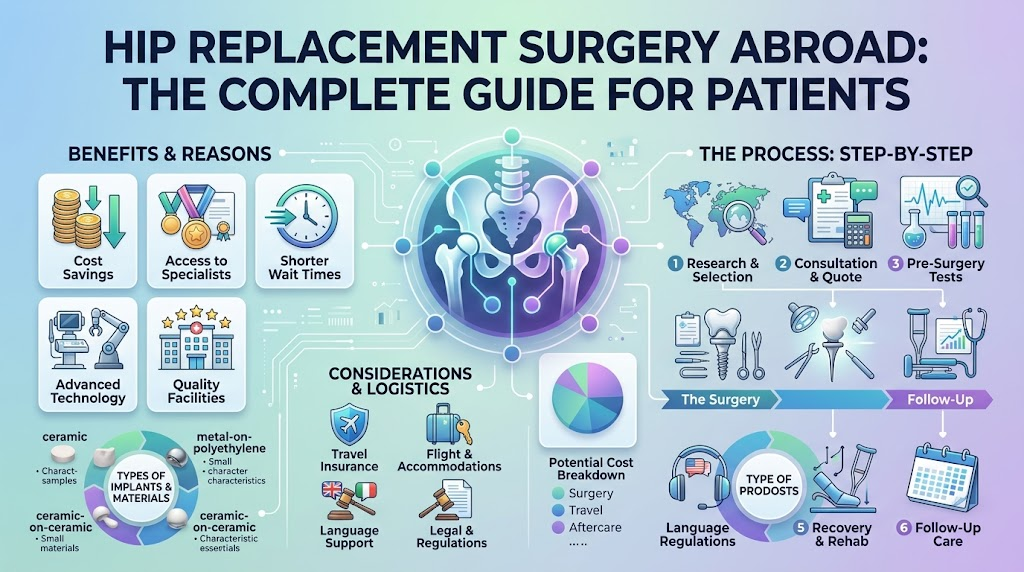
Introduction
Hip pain can change your whole life. Simple things like walking, climbing stairs, or sleeping become hard. Many patients face long wait times at home. Others face very high hospital bills. This can feel stressful and unfair. But there is good news. Many patients now travel abroad for care. They find skilled surgeons and modern hospitals. This gives new hope for a pain-free life. If you feel lost about where to start, you are not alone. HipHospitals.com helps guide patients like you through every step. This guide will explain what you need to know in simple words.
What is HipHospitals.com
HipHospitals.com is a medical travel platform. It helps patients find trusted hospitals abroad. The platform connects you with skilled surgeons. It also helps you get cost quotes fast. You can compare hospitals side by side. The team also helps with travel questions. This makes the whole process feel less scary. You get support from the first quote to the final recovery.
Understanding Total Hip Replacement
A hip joint can wear down over time. This causes pain and stiffness. Total hip replacement surgery fixes this problem. The surgeon removes the damaged joint. Then, they place a new artificial joint. This new joint is called an implant. It is made from safe, strong materials. Most patients walk again within days. Many people also look for affordable hip replacement surgery without losing on quality care. Good planning helps you get both safety and fair pricing.
Why Patients Travel for Surgery
Home countries often have long surgery wait lists. Some patients wait many months for one surgery date. This delay can be painful and frustrating. So, many patients choose hip replacement surgery abroad instead. Traveling can also save a lot of money. Skilled surgeons work in many countries. Hospitals abroad often use the same modern tools. This means you do not have to choose between speed and safety.
Understanding Surgery Costs
The final bill includes many parts. First, there is the surgeon’s fee. Next, there is the cost of the implant itself. Hospital stay charges are also added. Pre-surgery tests and scans cost extra too. Post-surgery physical therapy may add more. This is why hip replacement surgery cost can vary a lot. Knowing these parts helps you compare quotes fairly. Always ask for a full, itemized price list before you decide.
Table 1: Cost Comparison by Country
This table shows a simple look at hip replacement cost by country.
| Country | Average Estimated Cost | Wait Time | Why Patients Choose It |
|---|---|---|---|
| India | $6,000 – $9,000 | 1–2 weeks | Skilled surgeons, modern hospitals, low cost |
| Thailand | $10,000 – $15,000 | 1–3 weeks | Strong safety record, comfortable recovery stays |
| Turkey | $8,000 – $12,000 | 1–2 weeks | Short flights from Europe, high-quality care |
| Mexico | $12,000 – $18,000 | 1–2 weeks | Close to the USA, English-speaking staff |
| Poland | $9,000 – $14,000 | 2–3 weeks | Trusted by European patients, EU standards |
Prices are estimates. Always confirm the exact cost with the hospital first.
Choosing the Right Destination
Picking the right country matters a lot. First, check the safety record of local hospitals. Next, think about flight time and comfort. A very long flight may hurt your recovery. Also, look at the general care standards in that country. Some countries focus heavily on medical tourism. This often means better support for foreign patients. Finding the best country for hip replacement surgery depends on your budget, health, and comfort needs.
How to Pick the Right Hospital
Not all hospitals are the same. Always check for international safety certificates first. These certificates show the hospital meets global standards. Next, look at photos or videos of the facility. Clean, modern rooms are a good sign. Also, read real patient reviews if you can. Good patient care matters just as much as surgery skill. This careful check helps you find the best hospitals for hip replacement.
Finding Experienced Doctors
Your surgeon’s experience matters greatly. Ask how many hip surgeries they have done. Ask about their success rates too. A good surgeon will answer these questions clearly. You can also ask to see before-and-after case studies. Experienced hip replacement surgeons often have many years of specialized training. Do not feel shy to ask direct questions. This is your health, and you deserve clear answers.
Table 2: Hospital & Doctor Checklist
| Factor to Check | What to Look For | Why It Matters for Your Safety |
|---|---|---|
| Accreditation | International hospital certificates | Confirms global safety standards are met |
| Surgeon experience | Years in practice, surgery count | Reduces risk of complications |
| Hygiene standards | Clean wards, sterile equipment | Lowers infection risk |
| Patient reviews | Verified reviews from past patients | Shows real-world results |
| Emergency care | 24/7 ICU and emergency support | Ensures quick help if needed |
| Language support | English-speaking staff or translators | Prevents communication errors |
The Role of a Medical Travel Partner
Planning surgery abroad involves many steps. A good travel partner makes this easier. They can help with visa paperwork. They also arrange airport pick-ups for you. Hotel bookings near the hospital are often included too. Many partners also offer translators during your visit. This support is the heart of good medical tourism for hip replacement. Choosing a trusted medical tourism company can remove much of the stress from your trip.
Real-Life Patient Scenarios
- A patient in the UK faced an 18-month wait list. She traveled to Turkey and had surgery within 3 weeks.
- A retired teacher in the USA could not afford local surgery costs. He found an affordable option in India instead.
- A patient in Canada wanted a specialist for a rare hip condition. She found one through hospital comparisons abroad.
- A couple from Australia combined surgery with a short recovery vacation nearby.
Planning Your Medical Trip: Step-by-Step
- Get an initial quote from a trusted platform.
- Share your medical reports with the hospital.
- Ask questions about the surgeon and hospital.
- Confirm the total cost in writing.
- Apply for your medical visa early.
- Book flights with enough recovery buffer time.
- Arrange airport pick-up and hotel stay.
- Complete pre-surgery tests on arrival.
- Have the surgery and begin recovery care.
- Follow up with online consultations after flying home.
Common Mistakes to Avoid
- Choosing a hospital only because it is the cheapest.
- Forgetting how long visa processing can take.
- Booking a return flight too soon after surgery.
- Skipping background checks on the surgeon.
- Not asking for a full, written price breakdown.
- Ignoring aftercare and follow-up support options.
- Traveling without travel or medical insurance.
- Not planning enough recovery time before flying home.
How HipHospitals.com Can Help
HipHospitals.com offers a large hospital directory. You can browse verified hospitals in many countries. The platform also connects you directly with doctors. You can request free quote comparisons too. There is no pressure to choose right away. The goal is simple: give you clear information. Then, you can make the best choice for your own health.
A Simple Decision Plan
Follow this easy path to a confident decision:
Goal → Search → Shortlist → Compare → Ask → Verify → Decide
Start with your goal. Search for good options. Shortlist a few hospitals. Compare their costs and care. Ask direct questions. Verify all answers. Then, decide with confidence.
Frequently Asked Questions (FAQ)
Question 1: Is hip replacement surgery abroad safe?
Yes, it can be very safe. Many hospitals abroad hold international safety certificates. These certificates confirm high care standards. Always check a hospital’s accreditation first. Also, read reviews from past patients. Choosing a well-reviewed, certified hospital greatly lowers your risk. Safety depends on careful research before you travel.
Question 2: How much does hip replacement surgery cost abroad?
Costs vary by country and hospital. On average, prices range from $6,000 to $18,000. This is often much lower than costs at home. The price usually includes surgery, implant, and hospital stay. Always ask for a full written quote. This helps you avoid any surprise costs later.
Question 3: How long is the recovery time?
Most patients walk with support within a few days. Full recovery often takes six to twelve weeks. This depends on your age and health. Physical therapy speeds up healing greatly. Your surgeon will give you a personal recovery plan. Always follow their aftercare instructions closely for the best results.
Question 4: Do I need a visa for medical travel?
Yes, most countries require a medical visa. Processing times can vary widely. Some take just a few days. Others may take several weeks. Always apply early to avoid delays. Your hospital or travel partner can often help. They usually provide the documents visa offices need.
Question 5: How do I choose the best hospital?
Check for international safety certificates first. Look at hospital photos and facility videos. Read verified reviews from real patients. Ask about the surgeon’s experience directly. A good hospital will answer all your questions clearly. Taking time on this step protects your health and money.
Question 6: What is included in the total cost?
The total usually includes the surgeon’s fee. It also covers the hip implant itself. Hospital stay charges are included too. Pre-surgery tests and scans are often added. Some packages include airport pick-up as well. Always ask for a detailed, itemized cost breakdown before booking.
Question 7: Can I trust reviews from other patients?
Verified reviews are generally trustworthy. Look for reviews on independent platforms. Check if reviews mention specific details. Vague reviews may be less reliable. Also, ask the hospital for patient references if possible. Real feedback helps you understand the true patient experience.
Question 8: What if something goes wrong after I fly home?
Good hospitals offer follow-up support. Many provide online video consultations after you leave. Always ask about this before you book. Keep all your medical reports and records. Also, share your surgery details with your local doctor. This ensures continued care after you return home.
Question 9: How do I find an experienced surgeon?
Ask how many hip surgeries they have completed. Request their success and complication rates. Experienced surgeons will share this openly. You can also ask for case studies. Do not hesitate to ask direct questions. Your comfort and confidence matter greatly before surgery.
Question 10: Is medical tourism only for hip replacement?
No, medical tourism covers many surgeries. Hip replacement is just one common option. Knee replacement and other joint surgeries are popular too. The same safety research rules apply to all. Always check hospital accreditation and surgeon experience. This applies no matter which surgery you need.
Question 11: How can a medical travel partner help me?
A travel partner simplifies the whole process. They help with visa paperwork and planning. They also arrange hotel stays near the hospital. Airport pick-ups are often included in their service. Many offer translators during your hospital visit. This support reduces stress during an already difficult time.
Question 12: How do I start the process today?
Start by researching a few trusted hospitals. Request quotes to compare your options. Ask each hospital direct safety questions. Review their answers and credentials carefully. Then, choose the option that feels right for you. Taking small, informed steps builds real confidence.
Conclusion
Choosing hip replacement surgery abroad is a big decision. But it does not have to feel scary. With careful research, you can find safe, skilled care. Always check hospital certificates and surgeon experience first. Compare costs clearly before you decide anything. Take your time, and ask every question you have. HipHospitals.com is here to support you at each step. Your health and comfort always come first. With the right planning, a pain-free future is possible.
Leave a Reply