Simple Ways to Pick Drones and Find Safe Pilots
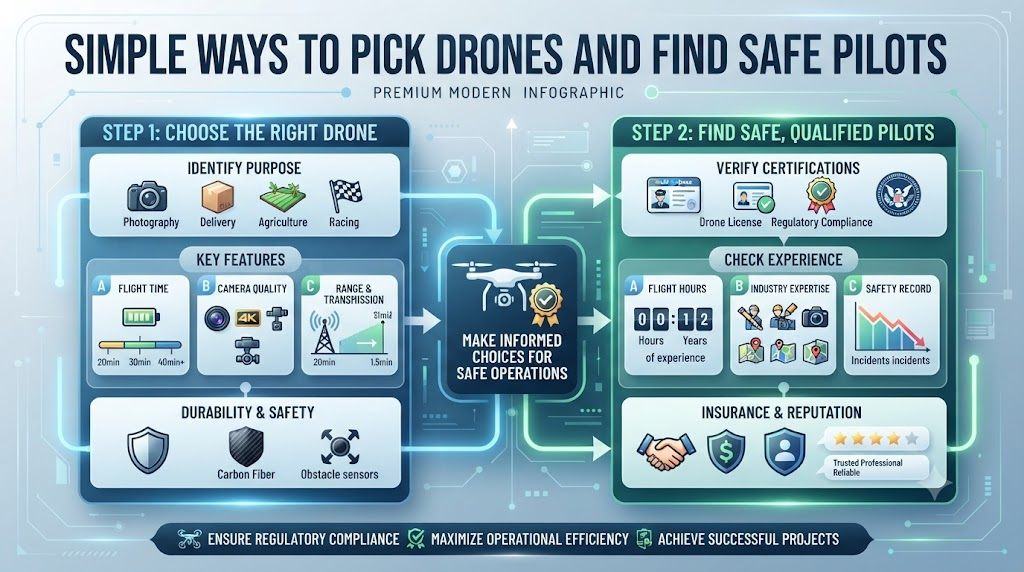
Many people feel lost when they want a drone or need a pilot. Gear choices look the same at first. Pilot lists feel long and unclear. Rules differ from place to place. Time and money can go to waste fast. Clear steps help you choose better. Good research keeps projects safe. DronesBee.com acts as an open research and service hub. It lets you explore gear facts and trusted pilots without pressure. This guide shares plain tips for buyers, owners, and hobby flyers.
What is DronesBee.com
DronesBee.com is a free open place for anyone interested in flying machines. It holds model details in one easy list. It shows verified pilots you can reach. It also shares plain guides on safety and rules. You can check options side by side. You can locate local help quickly. Anyone can use the site for honest facts.
Picking the Right Flying Machine
New flyers and skilled users check a few points first. Flight time shows how long the machine stays up. Longer time means fewer battery changes. Camera sensors control picture sharpness. Strong sensors give better results. Battery limits decide total air time. Always read real user notes. Check drone reviews before any purchase. Find the best drones that match your needs. Keep things simple if you just start. Add extra features only when required.
Evaluating Hardware Side by Side
Look at machines carefully before you pay. See how much weight each one can lift. Check the farthest distance it can fly. Test if obstacle sensors work well. Good sensors lower crash risk. Study the full drone specifications for each choice. Make a clear drone comparison of a few models. Note the numbers that matter most to you. This careful step protects your budget.
| Key Factor | What to Look For | Common Buying Trap | Why It Matters |
|---|---|---|---|
| Flight Time | 25 minutes or more | Believing ad numbers only | Longer flights finish work sooner |
| Camera Quality | 4K or higher sensor | Picking low quality for pro jobs | Sharp images attract clients |
| Battery Life | Extra packs ready | Forgetting spare costs | Empty batteries end the day early |
| Obstacle Sensors | Front and side detection | Skipping safety features | Sensors help avoid crashes |
| Payload Capacity | Matches your tools | Adding too much weight | Extra load shortens air time |
| Range Limit | At least 5 km clear | Flying only near buildings | Short range limits large sites |
Hiring Professional Help for High-Stakes Jobs
Some tasks need more than a basic flyer. Business owners should bring in licensed experts for risky work. Think about high roofs or crowded areas. Licensed pilots know the laws. They carry proper insurance. Search for drone services when the task feels complex. Look for drone pilots near me to find nearby help. Ask about their flight hours and past projects. This keeps your work safe and legal.
Capturing Stunning Media from Above
Drones work well for photos and videos. Home sellers use them for property views. Event planners capture outdoor moments. Companies need clean business clips. Aerial photography services provide these shots. Pilots fly high for wide scenes. They also fly low for close details. Choose pilots who share past sample work. Strong media helps sell homes and events.
Mapping Land and Job Sites Accurately
Builders and land owners need exact maps. Drones with GPS sensors create 3D models. These models show heights and slopes. Teams plan better with the data. Developers check borders quickly. Drone surveying services handle this work well. The maps save days of walking the ground. Always confirm the pilot uses proper survey tools.
Checking Hard-to-Reach Infrastructure Safely
Power lines and wind turbines sit high. Bridges and roofs also need regular looks. Sending people up costs money and adds risk. Drones fly close and take clear photos. Teams spot problems early. Drone inspection services make the process safer. Pilots follow strict flight plans. The data helps fix issues before they grow.
Modern Farming from the Air
Farmers use drones to watch their crops. Sensors create color maps of plant health. Moisture maps guide water use. Some machines spray fields with care. This cuts chemical waste. Agricultural drone services help large farms. Owners see weak spots early. Harvests often improve with better data. Start with small test flights if you run a farm.
| Service Type | Typical Equipment | Main Business Benefit | Safety Check Needed |
|---|---|---|---|
| Aerial Media | Camera drone with steady mount | Quick property views | Local flight rules |
| Land Mapping | GPS survey drone | Exact site plans | Pilot license proof |
| Structure Checks | Zoom camera drone | Lower risk for teams | Insurance papers |
| Crop Scouting | Color sensor drone | Better harvest timing | Weather window review |
| Field Spraying | Spray tank drone | Less chemical waste | Chemical handling rules |
| Event Coverage | Stable video drone | Strong client videos | Crowd distance limits |
Real-Life Scenarios
- A home seller needs clear roof and yard shots for a listing. She books a local pilot. The photos help the house sell sooner.
- A farm owner wants to check wheat fields for dry areas. He orders a mapping flight. The color maps show where to water next.
- A building manager must check a tall roof. He picks a drone team. The crew finishes in one hour without ladders.
8 Common Mistakes to Avoid
- Hiring pilots with no insurance. Accidents can cost large sums. Always ask for proof of cover first.
- Ignoring local flight permits. Some zones ban drones. Check rules before every flight.
- Buying a drone beyond your skill. Hard models crash easily. Start with easy options.
- Skipping weather checks. Wind and rain harm gear. Wait for clear skies.
- Forgetting spare batteries. One pack ends the day early. Buy extras for long jobs.
- Choosing the lowest price pilot. Cheap rates often mean less experience. Review past work samples.
- Flying near airports without clearance. This breaks federal rules. Always check airspace maps.
- Overlooking payload limits. Extra weight shortens flights. Match tools to the drone rating.
The 7-Step Drone Planning Process
Use this plain path every time.
Goal – Write what you need the drone to do.
Search – Look at options that match your goal.
Shortlist – Pick three strong choices.
Compare – Check flight time, camera, and price.
Ask – Contact sellers or pilots with clear questions.
Verify – Confirm licenses, insurance, and reviews.
Decide – Choose the option that fits your needs best.
Frequently Asked Questions
Question 1: How do I know which drone fits my skill level?
New pilots should choose models with easy controls and obstacle sensors. These features help you learn without trouble. Read basic flight notes first. Practice in open fields. Move to advanced drones only after many safe hours.
Question 2: What documents do professional pilots need?
Licensed pilots carry a remote pilot certificate. They also show liability insurance. Ask for both papers before any paid job. Some areas need extra local permits. Verify everything in writing.
Question 3: Can I fly a drone for business without a license?
Most paid flights need a license in many countries. Hobby rules do not cover commercial work. Check your local aviation office. Hire a licensed pilot if you lack the certificate.
Question 4: How much does a typical inspection flight cost?
Prices change by job size and location. Small roof checks often start lower. Large power line runs cost more. Ask for written quotes from two or three pilots. Compare what each quote includes.
Question 5: What weather stops most drone flights?
Strong wind above 20 miles per hour is unsafe. Heavy rain harms motors and cameras. Thick fog blocks clear views. Always check the forecast the night before. Reschedule when conditions look poor.
Question 6: How long do drone batteries usually last?
Most consumer batteries give 20 to 30 minutes of flight. Cold weather shortens that time. Keep spare packs charged and ready. Store batteries at room temperature for longer life.
Question 7: Do I need special insurance for my drone?
Home insurance rarely covers drone damage or injury claims. Buy separate drone liability cover. This protects you during flights. Many pilots already carry it for client jobs.
Question 8: What is the best way to store a drone?
Keep the drone in a hard case away from heat. Remove batteries after each use. Clean the lenses and props gently. Store everything in a dry room. This prevents dust and moisture damage.
Question 9: Can drones replace all ground surveys?
Drones speed up many mapping tasks. They cannot always match ground tools for tiny details. Use both methods for the best results. Talk with a survey expert about your exact needs.
Question 10: How do I find safe places to practice flying?
Look for open parks with no people nearby. Stay away from airports and stadiums. Check local maps for flight zones. Join a drone club for guided practice sessions.
Question 11: What happens if my drone flies out of range?
Most modern drones return home automatically. Keep the controller signal strong. Set the return height above trees. Practice the return feature in open space first.
Question 12: Are there age limits for flying drones?
Rules differ by country. Many places allow supervised flying for teens. Adult licenses often start at age 16 or 18. Check your local aviation rules before you start.
Picking the right drone or pilot gets easier with clear steps. Always put flight safety first. Follow every local rule. Research gear and people with care. Smart choices protect your money and your projects. DronesBee.com stays a helpful open place for honest research and verified contacts. Take your time. Fly safe. Enjoy the view from above.
Leave a Reply