Software Buying Guide: A Team Leader’s Playbook for Smart Tool Choices
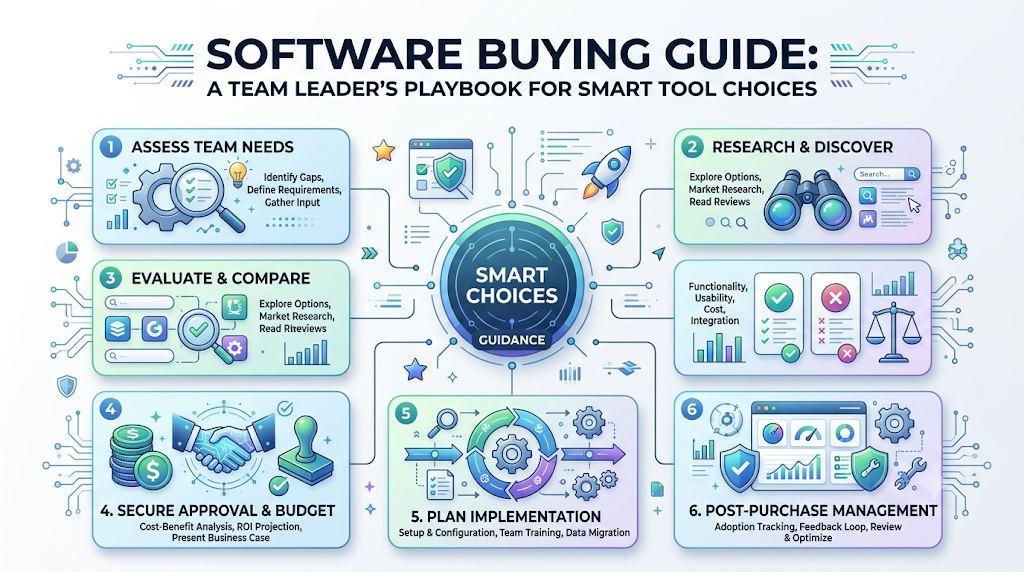
You lead a team, and your boss wants a new tool. Now the pressure starts. Thousands of apps promise faster work and lower costs. Most of them look great on their own websites. But many teams buy a tool, use it for a month, and then forget it. That waste adds up fast. Licenses sit unused, and the old problem stays. So how can you pick with confidence? You need proof, not promises. BestAIToolix.com is a clear, evidence-based research platform that helps leaders collect that proof. It puts tools side by side and keeps the facts easy to read. This playbook shows you how to choose software you can defend. You will learn simple steps to search, test, and decide. Let’s start.
What Is BestAIToolix.com?
BestAIToolix.com is a neutral research and comparison platform. It does not sell software or push one brand. Instead, it builds a structured catalog with a page for each tool. Category filters help you narrow the list by task, price, or team size. Every tool faces the same evaluation standards. So a small startup app gets the same fair check as a famous brand.
Why Organized Lists Beat Random Searching
A leader’s time is short. Yet many leaders spend hours jumping between web pages. Each page says something new, and none of them agree. A software directory ends this mess. It groups tools into clear categories, so you see your options in one place. You can open the “project tools” section and view the main choices at once. Then you skip the noise. This gives you more time to test tools and less time to hunt for them.
Start With Your Team, Not the Tool
Before you search, look at your people. How many will use the tool each day? Do they work on phones, laptops, or both? Which task wastes the most time? Write these answers on one page. Then use them as filters. The best software tools are the ones that match this page. A tool may win awards and still fail your team. So let your daily work guide the search. Your list will shrink fast, and that is a good thing.
Who Paid for That Praise?
Every review comes from someone, and that someone may earn money from a click. Paid pages often hide a tool’s weak points. So read software reviews with care. Look for test dates, real examples, and both good and bad notes. Independent software reviews stand apart because the writers do not depend on the seller. They tell you what worked and what did not. Before you trust any page, ask one question: who pays for this?
Your Quick Scorecard for Any Tool
Rate each tool from 1 to 5 on every row. Integration means one app can share data with another.
| Evaluation Factor | What to Look For | Why It Matters for Teams |
|---|---|---|
| Setup effort | Short setup and clear menus | Your team starts work faster |
| Yearly cost | Plan price, setup fees, and extra seats | You can defend the budget to your boss |
| Data protection | Safe login and clear privacy rules | It keeps client files secure |
| Seller support | Quick replies and simple guides | Problems get fixed without long delays |
| Integration | Links to the apps you use now | Work flows without copy and paste |
| Growth room | Plans that grow with your team | You avoid switching tools next year |
Why Smart Apps Are Now Part of the Job
Your team may already use smart apps. Some write emails. Some suggest code. Others create images in seconds. People call them AI tools. AI means a program that learns from data and then makes text, code, or pictures. New ones appear almost every week. An AI tools directory helps you keep up, because it sorts tools by task. Still, even the best AI tools make mistakes. So a person must always review the work.
A Fair Test for AI Products
Give each tool the same task. For example, ask every tool to write a short customer reply. Now compare AI tools on three points. First, check speed. Note how long each answer takes. Second, check privacy. Find out if the tool stores your text. Third, check quality. Look for errors and unclear lines. Score each point and add the totals. The winner is clear, and you can show your boss the numbers.
Extra Care When You Buy for a Company
A company choice affects many people. So the risks are bigger. Start with security. Ask who can see your data and where it lives. Next, count your seats. A seat is one paid login for one person. Then set a strict budget cap before any sales call. A strong business software comparison covers all three points. Any useful software comparison should also show the full cost for one year, including setup and training.
Which Tools Fit Which Stage?
| Business Stage | Main Software Need | Critical Feature | Risk to Avoid |
|---|---|---|---|
| Solo founder | Basic tasks and invoices | Low price and quick setup | Long contracts too early |
| Small team | Task boards and shared files | Easy sharing and clear roles | Many apps doing one job |
| Growing company | Sales records and reports | Links with other tools | Data stuck in separate places |
| Large company | Safe access and full control | Strong security and audit logs | Depending on one seller |
Your Software Buying Guide in Five Moves
Use this software buying guide as a simple plan. Move one: set a budget and add setup and training costs. Move two: run a pilot. A pilot is a small trial with a few real users. Move three: test support by sending a real question. Move four: read the contract and note the cancel rules. Move five: mark the renewal date on your calendar. Then you are ready to pay.
Three Quick Stories From Real Teams
- A sales manager needs a customer record tool. She tests two options for one week. Her team picks the one with simpler screens.
- A content team wants an AI helper. Each writer tests the same topic. The team keeps the tool with the fewest errors.
- An operations lead finds four file-sharing apps in one office. He keeps one, cancels three, and saves money every month.
Ten Mistakes That Cost Leaders Money
- Paying for a full year before any test.
- Skipping the data privacy check.
- Missing hidden setup and training fees.
- Picking a tool because it is trendy.
- Buying without asking daily users.
- Trusting paid praise as fair advice.
- Never testing the support team.
- Paying for seats nobody uses.
- Forgetting the renewal date.
- Ignoring how to export your data later.
How BestAIToolix.com Can Support You
BestAIToolix.com tries to make your research lighter. Its scoring is open, so you can see why a tool earned its rating. Side-by-side matrices show key facts in one view. The team also updates pages on a regular basis, so old prices do not mislead you. Use it to build your shortlist. Then run your own trial and trust what you see.
A Simple 7-Step Tool Selection Process
- Goal: Write the one problem you need to solve.
- Search: Browse a trusted catalog by category.
- Shortlist: Keep three to five strong tools.
- Compare: Score each tool with the same scorecard.
- Ask: Get feedback from your team and the seller.
- Verify: Check reviews, security, and total cost.
- Decide: Pick one tool and start with a trial.
Frequently Asked Questions (FAQ)
Question 1: How do I explain a software purchase to my boss?
Lead with the problem, not the tool. Show the time or money your team loses today. Then share your test results and the full yearly cost. Add one clear number, such as hours saved each week. Bosses say yes to plans built on facts. Also share your backup option and the cancel terms. That shows you thought about risk.
Question 2: Who should join the tool test?
Pick two or three daily users and one manager. Daily users know the real pain points. The manager checks budget and rules. Add one technical person if the tool handles private data. Keep the group small so feedback stays clear. Give everyone the same task and the same score sheet. Then meet for ten minutes and share results.
Question 3: How do I compare tools with different pricing?
Turn every price into one yearly number. Add the seat cost, setup fee, training, and extra storage. Then divide the total by the number of users. This gives you a cost per person. Now you can compare tools fairly. A low monthly price may cost more once extras appear. Always check the renewal price too.
Question 4: What if my team dislikes the new tool?
Ask why, and listen closely. Often the problem is training, not the tool. Show one simple feature and give people time. If the pain stays, review your test notes. Maybe the tool does not fit your real workflow. Then switch early, before you sign a long plan. A quick fix costs less than months of low use.
Question 5: How many AI tools does a team really need?
Most teams need only one or two. Start with the task that takes the most time, such as writing or support replies. Test one tool on that task. Add another only when a clear gap appears. Too many AI apps create mess and extra bills. They also make data privacy harder to track. Keep your set small and useful.
Question 6: How do I check if an AI answer is correct?
Never trust the first draft. Test the tool with tasks where you already know the right answer. Check facts, numbers, and names. Ask a teammate to review the result. Save examples of good and bad answers. Over time, you learn where the tool is strong and where it fails. Human review should always stay in the process.
Question 7: When is a good time to buy software?
Buy when the pain is clear and your test is done. Do not rush because of an end-of-month deal. Sellers often offer discounts, but pressure leads to poor choices. Plan the purchase around your budget cycle. Also make sure your team has time for setup. A calm start beats a fast discount every time.
Question 8: How do I avoid paying for tools nobody uses?
Track usage every month. Most tools show login counts in their settings. List each app, its cost, and its active users. Cancel tools with low use. Also set a renewal reminder thirty days early. That gives you time to decide. Name one owner for each tool, so someone always keeps watch.
Question 9: What should a good support team offer?
Look for fast replies, clear guides, and a real person for urgent issues. Check if support works in your time zone. Test it during your trial with a real question. Also read what users say about help quality. Good support saves hours when something breaks. Weak support turns small problems into big delays.
Question 10: Can I trust free plans?
Free plans are great for testing. But read the limits first. Some free plans cap users, storage, or features. Others end after a short time. Also check how the seller treats your data on free accounts. If you plan to grow, ask what the paid plan costs. Then you will not face a shock later.
Question 11: How do I move to a new tool without losing data?
Export your data before you switch. Ask the new seller if they can import it. Test the move with a small sample first. Then check that names, dates, and files look right. Keep the old tool active for a short overlap. Cancel it only after your team confirms everything is safe. Plan this step before you buy.
Question 12: Where can I find trusted tool information?
Use a research platform that scores each tool the same way. BestAIToolix.com offers a structured catalog and side-by-side views. Read user feedback on other sites too. Then confirm everything with your own trial. No single source tells the whole story. Mixing facts, user voices, and your own test gives you the safest choice.
Conclusion
Good leaders do not buy tools on hype. They set clear goals early and name the problem first. Then they test free trials with real work and ask their team for honest feedback. They also verify total costs, including setup, extra seats, and renewal prices. Most of all, they pick software that solves real problems, not software that only looks nice. Keep your process simple and your shortlist small. Review your tools often, and cancel the ones nobody uses. BestAIToolix.com can support your research with fair facts and clear comparisons. Start today. Write your goal on one page, and take the first step.
Leave a Reply